
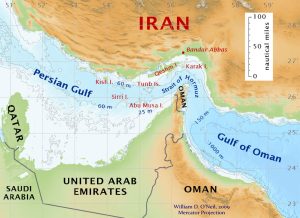
Market Impact Note: Strait of Hormuz Tensions and Material Cost Risk
Ongoing geopolitical tensions involving Iran and the potential restriction of vessel traffic through the Strait of Hormuz present a significant risk to global supply chains. This corridor is a critical transit point for a substantial portion of the world’s petroleum supply, and any disruption would have immediate and far-reaching implications on both energy pricing and downstream manufacturing sectors.
While the most direct impact would be increased oil prices and constrained availability, secondary effects are expected across petrochemical derivatives, particularly plastics. As plastics are a core input in a wide range of industrial and electronic components, any sustained increase in raw material costs would place upward pressure on overall production expenses.
At present, manufacturers have not implemented price increases specifically tied to the Iran–U.S. conflict. However, suppliers are closely monitoring fluctuations in raw material costs. Should these costs rise beyond sustainable margin thresholds, pricing adjustments are likely to follow.
It is also important to note that, based on current feedback, many manufacturers do not have formal mitigation strategies in place to offset these risks. This suggests a reactive pricing environment rather than a proactive supply chain adjustment approach.
From a logistics standpoint, while primary shipping routes between Taiwan and Canada do not directly transit the Strait of Hormuz, indirect disruptions are still a concern. Increased global fuel costs would likely drive up ocean freight rates and bunker surcharges. Additionally, any reallocation of vessels or congestion in alternative trade lanes could lead to equipment shortages, port delays, and extended transit times across the Asia–North America corridor. Carriers may also adjust routing priorities in response to global demand shifts, further impacting schedule reliability.
In summary, while no immediate pricing actions have been taken, the situation remains fluid. Escalation in the region could lead to rapid cost increases, particularly in plastic-based components, along with rising freight costs and potential transit delays, with limited short-term mitigation options available across the supply base.